The end of the format
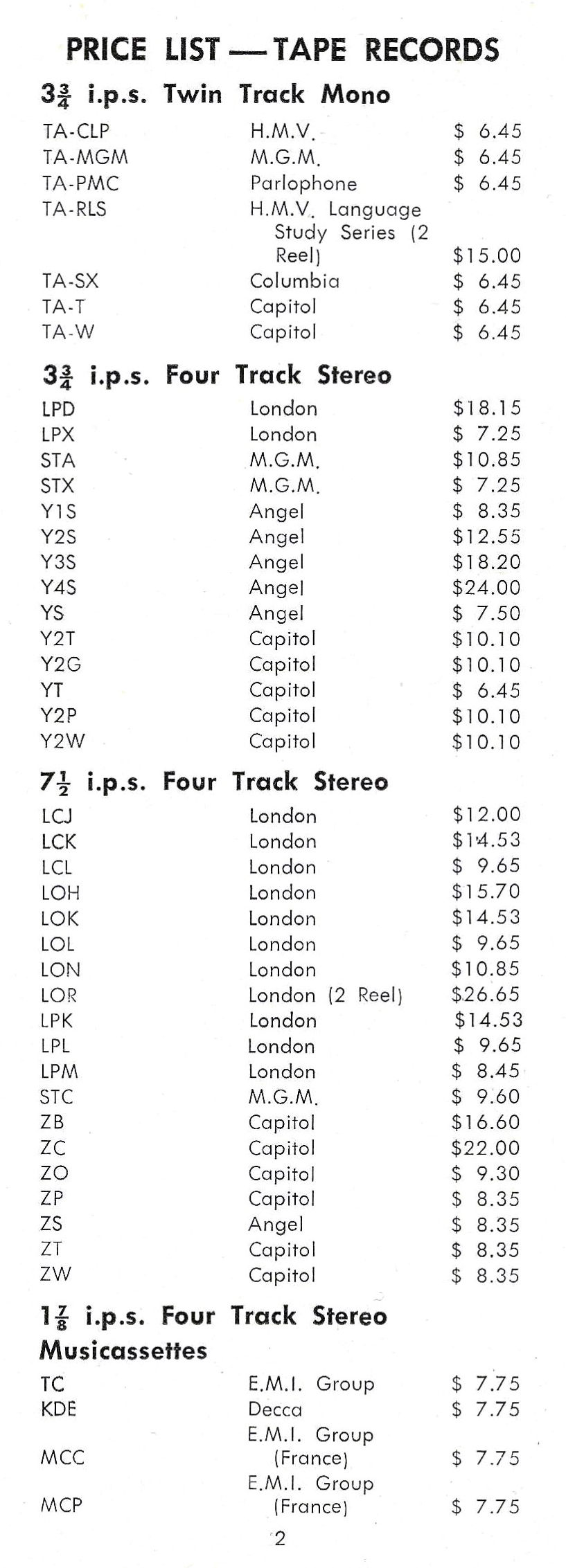
By the mid-1970s, commercial pre-recorded reel-to-reel tapes had largely faded from the Australian market. The format had been overtaken by convenience.
Cassettes were smaller, cheaper, easier to store and easier to play. They were suitable for cars, portable players and casual home use. Reel-to-reel, by comparison, looked increasingly like a format for specialists. The final nail in the format's coffin was the introduction of Dolby noise reduction in cassette tape recording. Dolby noise reduction helped cassettes overcome one of their greatest weaknesses—tape hiss—and brought their sound quality close enough to conventional reel-to-reel for many consumers. Once combined with the cassette's convenience and affordability, reel-to-reel quickly began to look like an expensive and cumbersome format from another era.
The World Tape Club lasted longer than most. It continued offering reel-to-reel tapes until late 1977, outlasting other local activity by several years. Fittingly, one of its final reissues was Magical Mystery Tour And Other Splendid Hits in August 1977.
That final Beatles reissue gives the Australian reel-to-reel story a neat ending. The format that had once promised premium domestic sound quality ended as a niche collector and enthusiast medium, kept alive by a small but dedicated audience.
Collecting Australian Reel-To-Reel today
Today, commercial pre-recorded reel-to-reel tapes are among the more elusive Australian music collectibles. They were not produced in large numbers, they were expensive when new, and many have not survived in good condition.
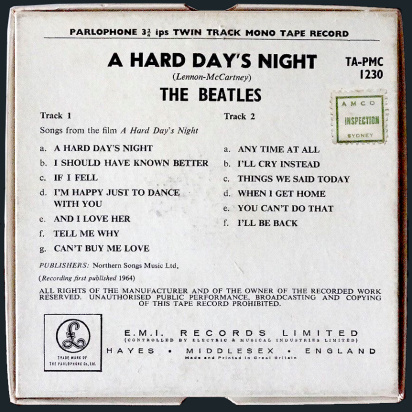
Collectors look for several things: tape condition, box condition, catalogue numbers, speed, spool size, local manufacturing details, import stickers, price markings and completeness. Because tape is a fragile medium, playability is not guaranteed. Some reels may suffer from oxide loss, mould, poor storage, splicing issues or other age-related problems.
For Australian Beatles collectors, Magical Mystery Tour And Other Splendid Hits is the key local item. For broader Australian tape collectors, World Tape Club releases, Astor-related issues, Hanimex-linked Festival titles and imported EMI or Capitol reels with Australian provenance all have historical interest.
A small but fascinating chapter
Commercial pre-recorded reel-to-reel tapes never became a major Australian music format. They were too expensive, too specialised and too quickly overtaken by cassette technology.
But their failure to become mainstream is exactly what makes them interesting today. They represent a brief period when high-fidelity tape seemed like it might become an important home music format. They also reveal how Australian companies experimented with manufacturing, importing, licensing and club-based distribution.
In the end, reel-to-reel remained a connoisseur's format. It was admired more than it was widely adopted. But for collectors and historians, Australian commercial reels offer a rich side story: one of imported curiosities, short-lived local manufacture, World Tape Club ingenuity, and one remarkable Beatles release that stands almost alone.
The reels may not have sold in huge numbers, but they left behind one of the most intriguing footnotes in Australian recorded music history.