Acetates and Test Pressings

Rare pre-production discs created to evaluate recordings before commercial release

Before a record entered commercial production, EMI (Australia) would produce acetates and/or test pressings for technical assessment, review and approval. Although both allowed a recording to be heard before its commercial release, they were made by different processes and served different stages of production. Manufactured individually or in extremely small quantities, surviving Australian Beatles examples are exceptionally rare.

Acetates
Acetates—more accurately described as lacquer discs—were individually cut on a recording lathe rather than pressed from production stampers. The recorded surface generally consisted of a thin lacquer coating applied to a rigid metal base, most commonly aluminium. Despite the familiar name, the recording surface was not usually made from acetate.

An acetate could be produced directly from a tape and played immediately, without the plating and pressing processes required to manufacture a conventional record. This made acetates useful for evaluating a recording, checking a disc cut, approving proposed content or supplying a reference copy before the finished record became available. Copies could be heard by record-company personnel, artists, producers or management.

Unlike a vinyl pressing, each acetate was cut separately and was not intended for repeated use. Its comparatively soft surface wore quickly, while the lacquer could shrink, crack or separate from its metal base as it aged. Surviving examples must therefore be handled and played with particular care.

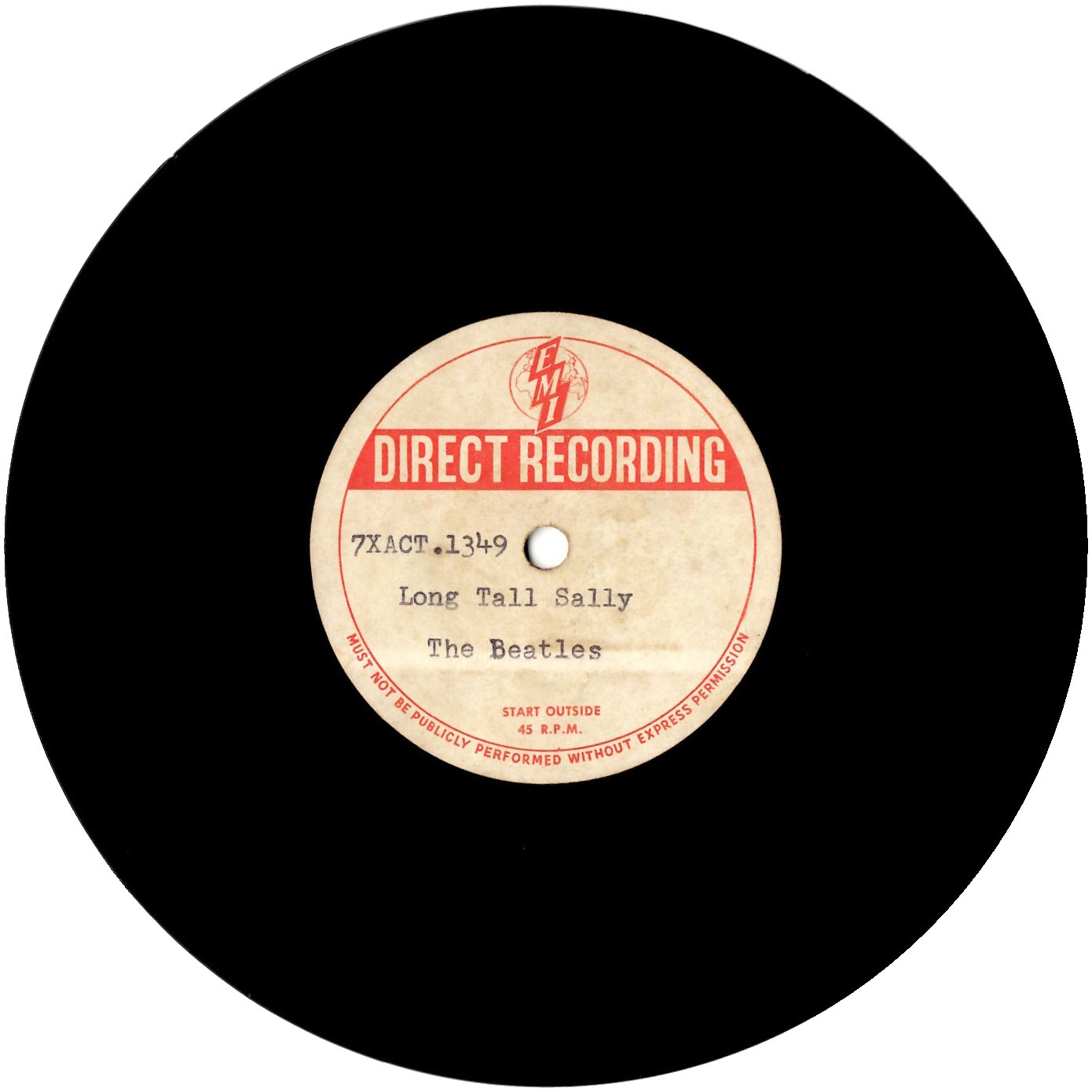
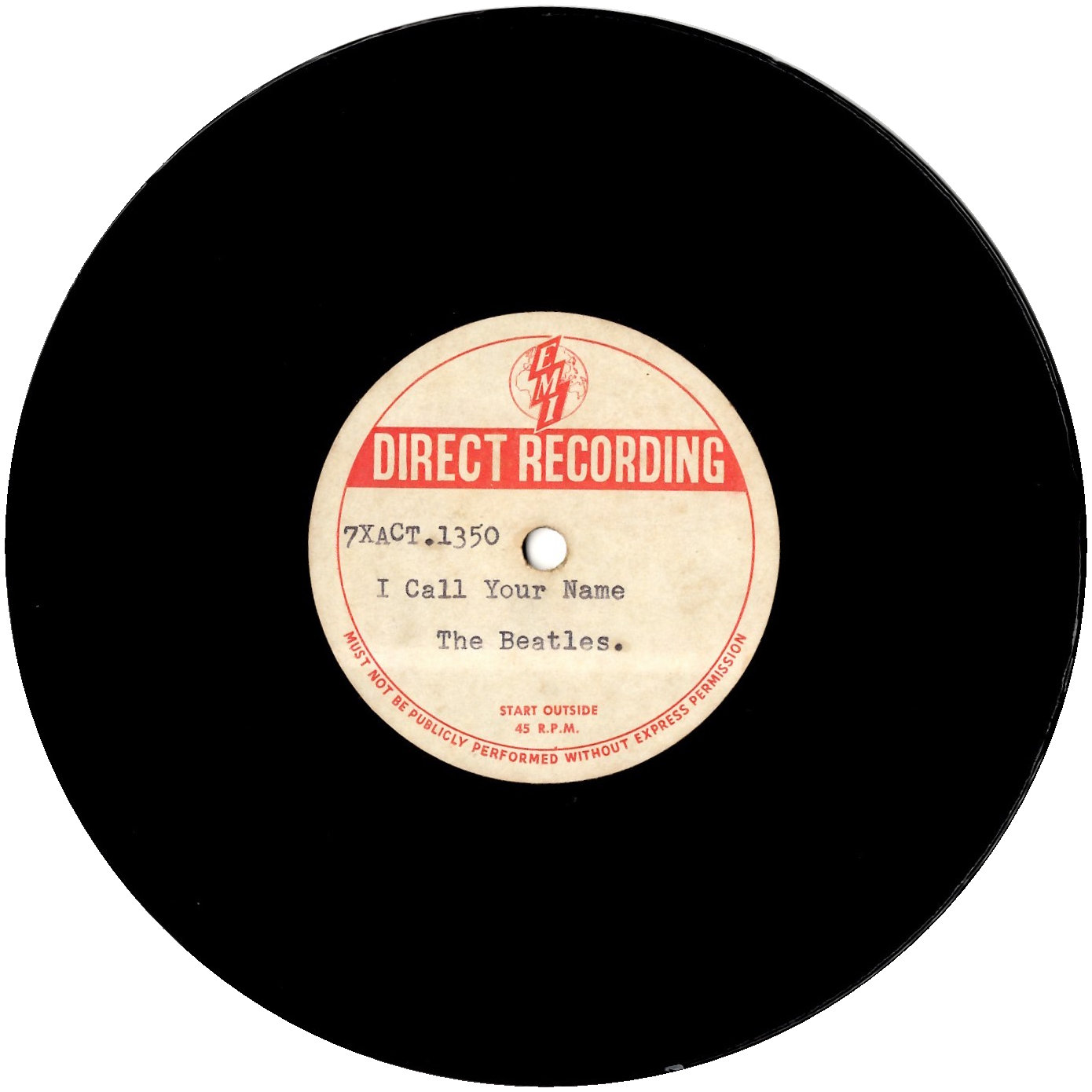
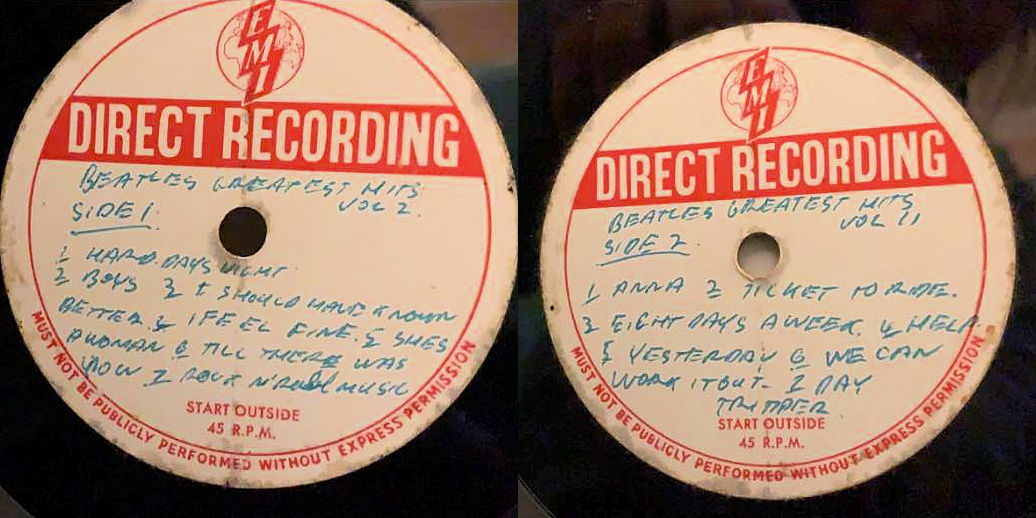
EMI (Australia) acetates were commonly pressed with plain 'DIRECT RECORDING' labels on which details such as the artist, title, matrix number and speed were typed or handwritten. Because their contents could differ from the subsequently released record, surviving acetates sometimes preserve alternate mixes, edits, running orders or other pre-release variations.

Double-sided 7" acetate of what appears to be an unreleased 1964 single, courtesy Ross Myers
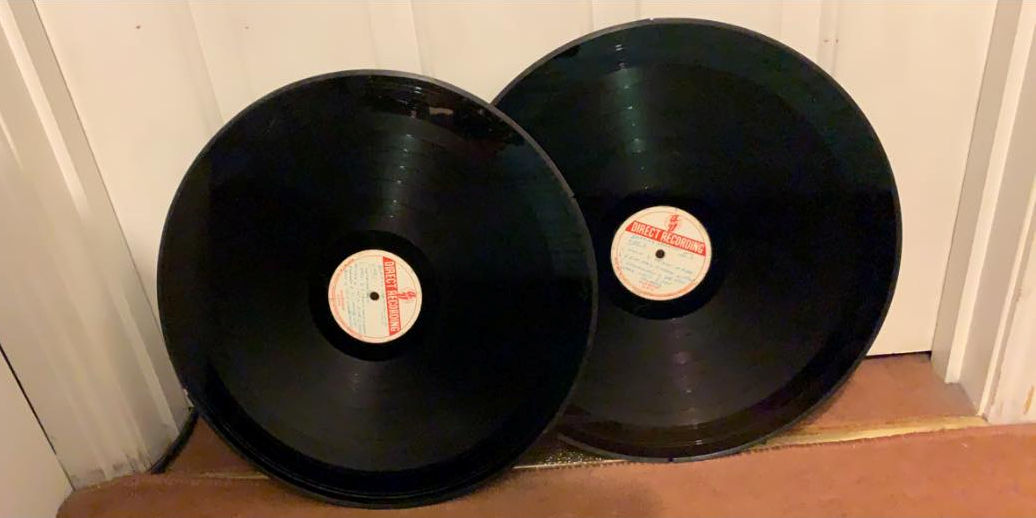
14" single-sided acetates for The Beatles Greatest Hits Vol 2 LP, courtesy Jamie Kelly
Test pressings
Test pressings were manufactured after the metal production parts had been prepared but before the main pressing run commenced. Unlike acetates, they were physically pressed from stampers using the same basic manufacturing process—and generally the same vinyl compound—as the intended commercial release.

For locally recorded artists, EMI (Australia) generally produced up to ten test pressings. Some were retained for internal technical assessment, while others were supplied to the artist and their management for evaluation and approval. Fewer copies were generally produced for international artists, as these were required only for EMI (Australia)’s internal quality-control purposes and were not distributed locally to the artist or their management.

Test pressings enabled EMI (Australia) technicians to identify faults before commercial production began. These could include distortion, excessive surface noise, mis-tracking or an incorrectly assembled side. If the test pressing was approved, the stampers could be used for the commercial run. If a problem was detected, replacement production parts might be required before manufacture could proceed.

EMI (Australia) test pressing labels
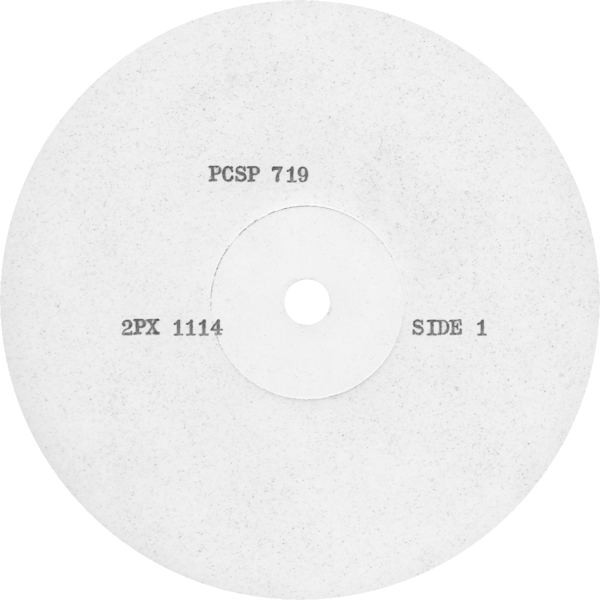
Until the early 1970s, EMI (Australia) test pressings generally carried 75 mm red, white and grey company labels. Details including the title, matrix number, factory number and side number were typed onto the labels in one of two distinctive typewriter styles.

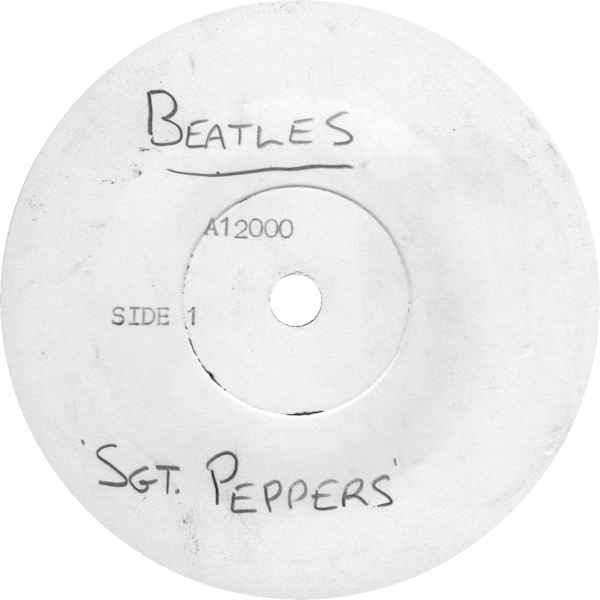
From around late 1971, EMI (Australia) adopted simpler white labels, generally bearing only the matrix/factory and side numbers.
Side 1 of the Rock ’N’ Roll Music LP test pressing, June 1976. Typed on an Olivetti fitted with Elite Victoria type
Side 1 of the Sgt. Pepper’s Lonely Hearts Club Band single test pressing, August 1978
Understanding the difference
An acetate was individually cut directly onto a lacquer-coated disc and could be produced before the record-manufacturing process was complete. A test pressing was pressed from production stampers and represented a much later—and usually final—quality-control stage before commercial manufacture.

Both formats were working materials rather than commercial releases. Their small production numbers, utilitarian labels and close connection with the manufacturing and approval process make surviving Australian Beatles examples particularly significant.